October 23, 2026
As leaves fall and temperatures drop, property owners must shift their focus toward essential winter maintenance. Heavy snow, freezing rain, and strong winds can wreak havoc on an unprepared yard. Trees are especially vulnerable to these harsh elements. Without proper care, the weight of ice and snow can cause severe damage to branches and trunks. Preparing your landscape before the first major freeze is a critical step in maintaining a safe outdoor space.
Achieving a winter-ready yard requires more than simply raking leaves. It demands a thorough evaluation of your landscape's structural integrity. Experienced professionals know how to identify risks that an untrained eye can't see. Bringing in local tree trimmers ensures your property receives specialized attention. These experts understand regional weather patterns and know how specific plant species react to dropping temperatures. This approach safeguards your property while promoting healthy growth when spring returns.
Assessing Structural Vulnerabilities
The first step in winter preparation involves a comprehensive landscape evaluation. Professionals look closely at the bark, branch unions, and overall posture of each plant. They check for decay or insect damage that occurred over the summer. A weakened trunk presents a significant hazard when subjected to 10 or more inches of snow during winter storms. Identifying these weak points early prevents sudden failures during a blizzard. According to Home Advisor, you should typically have your trees trimmed every three to five years and inspect your trees annually.
Regular inspections reveal structural issues like co-dominant stems or included bark. These defects create weak joints susceptible to splitting. When heavy snow accumulates in the canopy, the added weight pulls on these weak connections. Professionals analyze these vulnerabilities and determine an effective course of action. They'll recommend cabling or bracing to provide extra support to a compromised trunk. This proactive reinforcement helps plants withstand severe mechanical stress throughout the coldest season.
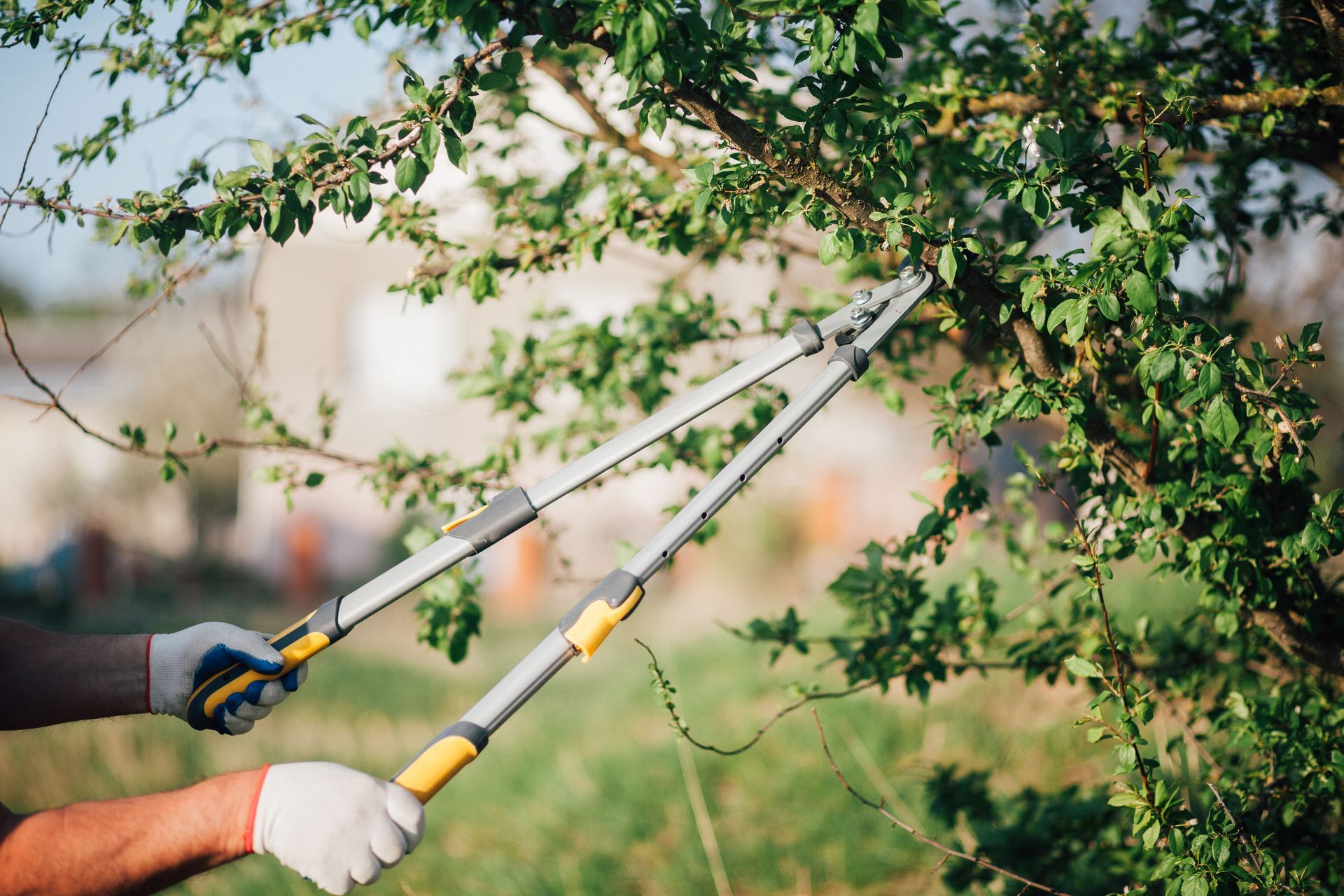
Beyond installing hardware, strategic pruning remains a primary method for addressing structural concerns. Removing dead or dying wood eliminates the most obvious risks. Dead branches lack flexibility and easily snap when coated in ice. By clearing away this hazardous material, experts reduce the likelihood of property damage or personal injury. They carefully make their cuts at the branch collar to encourage proper healing. This precise technique prevents further decay and ensures the plant remains vigorous and resilient.
Implementing Strategic Crown Thinning
Another critical technique for winterizing a landscape is crown thinning. This process involves the selective removal of live branches throughout the canopy. The goal is to reduce the overall density without altering the natural shape. An overly dense canopy acts like a sail during high winds, putting tremendous strain on the root system and trunk. Thinning the crown allows wind to pass freely through the branches, significantly lowering the risk of uprooting during severe winter gales.
Crown thinning also addresses dangers associated with heavy precipitation. A thick network of branches catches and holds large amounts of snow. As this snow turns to ice, the accumulated weight becomes a serious threat to structural stability. Skilled local tree trimmers know how to selectively thin the canopy to minimize surface area. They target crossing branches, water sprouts, and overlapping limbs. By opening up the interior structure, they ensure snow falls through the canopy rather than piling up on top.
The benefits of crown thinning extend beyond storm safety. Opening the canopy increases sunlight penetration and air circulation. Even during the winter, plants benefit from whatever sunlight is available. Improved airflow helps dry out the bark after a rainstorm, which reduces the chance of fungal infections. This procedure leaves an even distribution of foliage along the branches. The plant maintains its aesthetic appeal while becoming significantly more resilient against the harsh realities of winter weather.
Addressing Hazardous Overhanging Limbs
Branches that stretch over houses, driveways, or utility lines pose a direct threat during colder months. A limb snapping under the weight of an ice storm can shatter windows, damage roofing, or crush parked vehicles. Power outages frequently happen when heavy branches collapse onto overhead wires. Mitigating these risks requires careful planning and precise execution. Professionals evaluate the trajectory of every branch located near a valuable structure. They'll prioritize removing elements that could cause catastrophic damage if they fail.
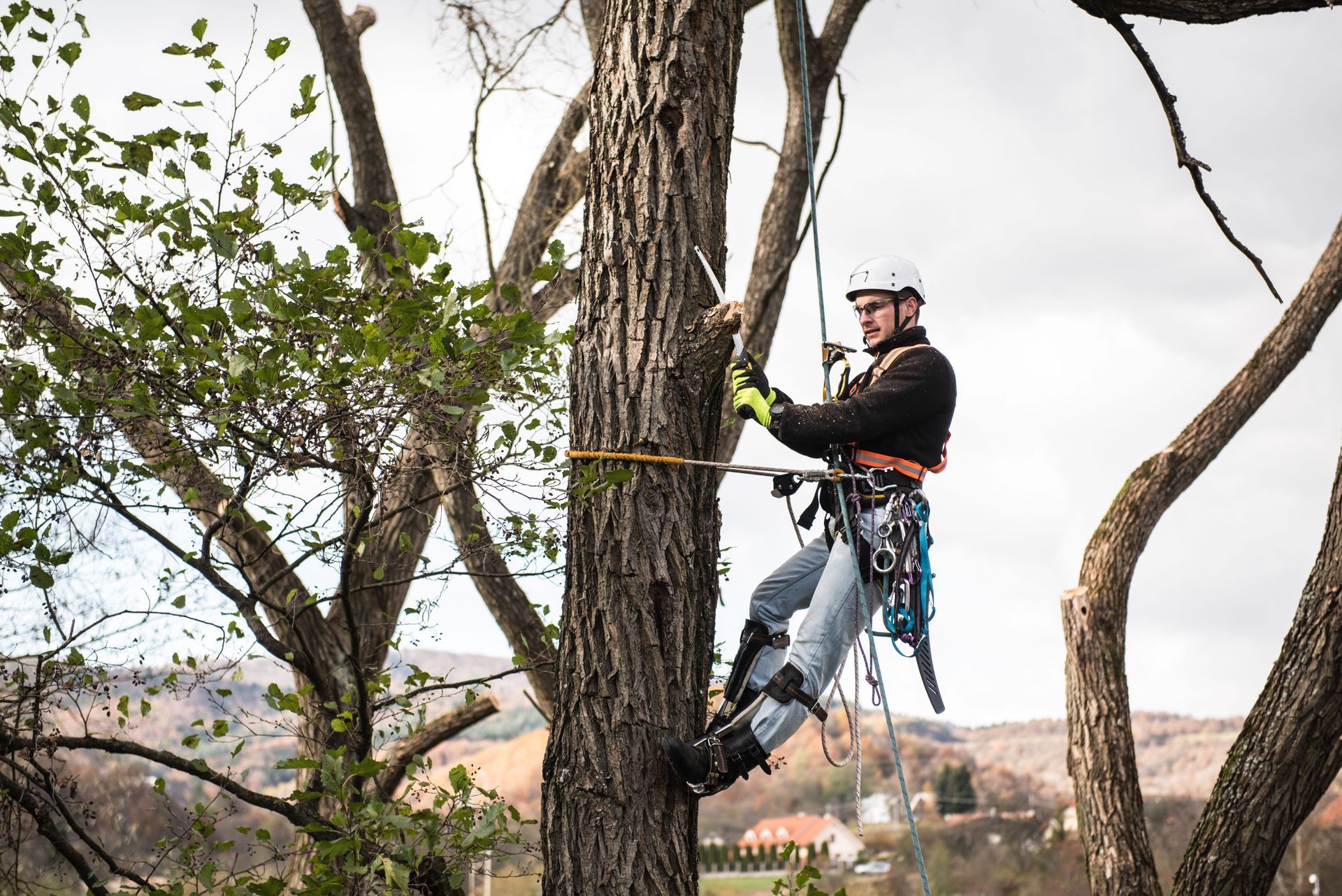
Dealing with these precarious limbs requires specific equipment and advanced rigging techniques. Amateurs attempting to cut high branches often underestimate the weight of the wood. A falling limb can unpredictably swing or bounce, causing accidental damage. Experienced local tree trimmers utilize ropes, pulleys, and bucket trucks to dismantle large sections safely. They lower heavy pieces of wood to the ground in a controlled manner. This methodical approach guarantees worker and property safety.
Clearing overhanging limbs also protects the roof of your home from secondary issues. Branches resting against shingles can scrape away protective granules when the wind blows. Leaves and twigs drop directly into gutters, causing clogs that lead to ice dams. Ice dams trap water on the roof, eventually forcing moisture under the shingles and into the attic. Maintaining a safe clearance zone between the canopy and your home eliminates these indirect problems. It keeps your roof intact and your gutters functioning properly throughout the season.
Providing Deep Root Care and Mulching
Winter preparation isn't limited to branches above ground. The root system requires equal attention to survive prolonged freezing temperatures. Ground freezes can severely damage shallow roots, causing stress that might not become apparent until the following summer. Soil insulation is a highly effective way to protect these vulnerable underground networks. Applying a thick layer of organic mulch around the base acts as a protective blanket. This barrier regulates soil temperature and prevents the rapid freeze and thaw cycles that tear root fibers apart.
Correct mulching technique is vital for the health of the plant. Many homeowners make the mistake of piling mulch high against the trunk, creating what is known as a mulch volcano. This practice traps moisture against the bark and invites rot, disease, and rodents. Knowledgeable local tree trimmers spread the mulch evenly in a wide ring. They'll leave a gap between the mulch and the root flare to ensure proper breathing. This application maximizes insulation while preventing fungal growth.
In addition to temperature regulation, roots need adequate moisture before the ground freezes solid. While the above-ground portion goes dormant, the roots continue functioning and require hydration. Providing a slow, deep watering in late fall ensures the soil retains enough moisture to sustain the plant through the winter. This deep watering encourages roots to grow further down, moving away from the freezing surface layer and finding more stable soil conditions. For younger saplings or newly planted specimens, extra physical protection like wraps might be necessary.
Getting your yard ready for the cold season involves a careful combination of inspection, pruning, and root protection. Ignoring these tasks leaves your property vulnerable to severe weather and biological damage. Addressing structural weaknesses and thinning heavy canopies reduces the risk of branch failure. Clearing overhanging limbs keeps your home secure from falling debris. Meanwhile, proper soil management and root insulation give your plants the strength they need to endure freezing temperatures. Hiring local tree trimmers takes the guesswork out of this complex process.
Investing in professional winterization ultimately saves you time, money, and stress. Emergency cleanups after a major blizzard are costly and dangerous. Preventive maintenance mitigates those hazards before they turn into property damage. Your landscape is a valuable asset deserving expert care year-round. By taking proactive steps in late fall, you set the stage for vigorous growth when the weather warms up. Your yard will emerge from the winter healthier, safer, and ready to thrive.
Call Keelen Bros Inc today to ensure your property is ready for the cold season with the help of our experienced local tree trimmers.