May 22, 2026
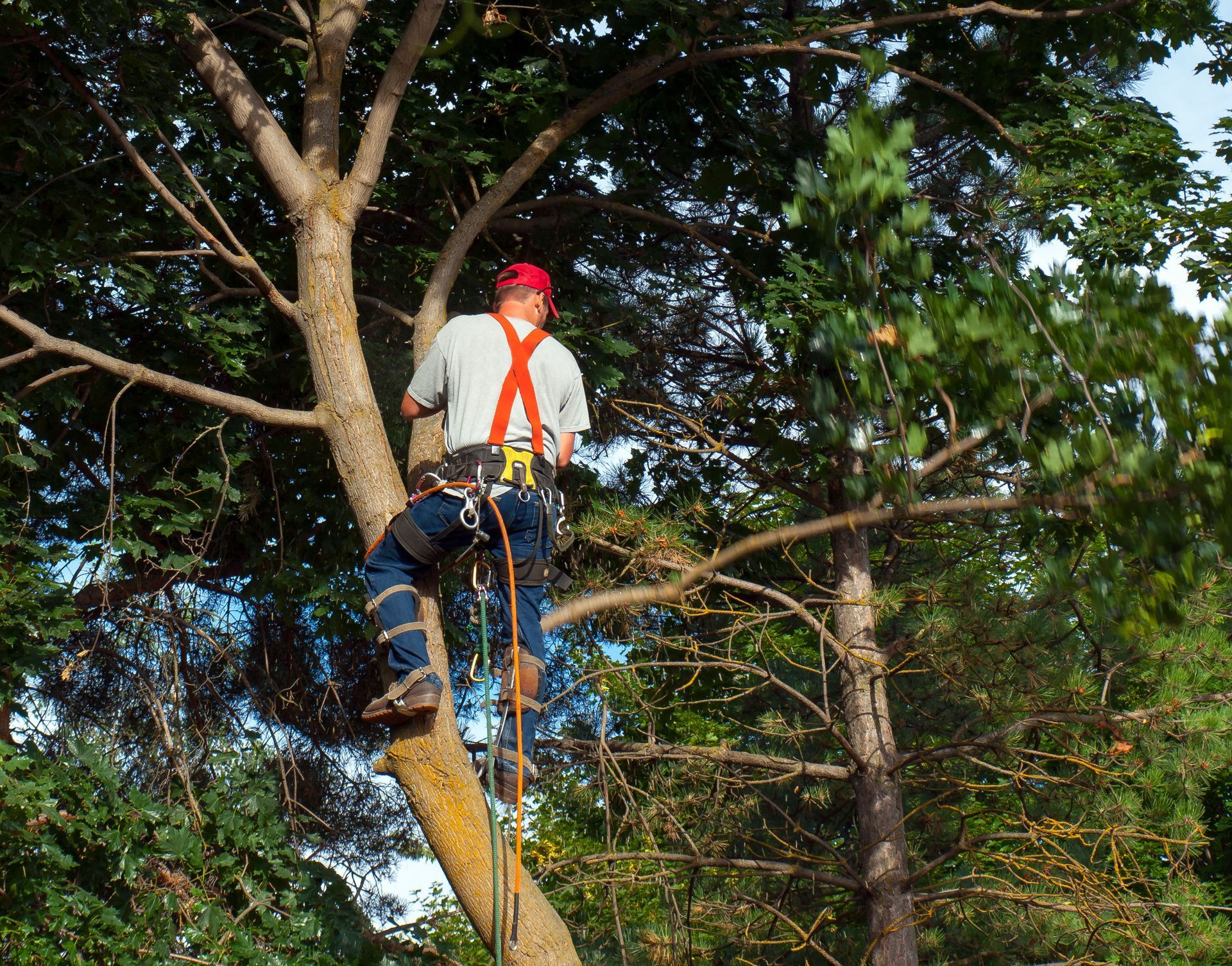
Trees add beauty, shade, privacy, and value to residential and commercial properties, but they also require proper care to remain healthy over time. Without regular maintenance, trees can develop weak limbs, overgrown canopies, disease issues, or structural problems that affect both appearance and safety. Proper trimming helps encourage healthier growth while protecting nearby structures, landscaping, and power lines.
Many property owners underestimate how much knowledge goes into maintaining healthy trees. Professional care involves far more than simply cutting branches. According to Bob Vila, an online home improvement resource, a newly-planted tree's planting hole should be covered with one to three inches of mulch. Along with proper watering and soil management, strategic trimming plays a major role in helping trees stay healthy and stable throughout their lifespan.
Removing Dead or Diseased Branches
Dead, damaged, or diseased branches can weaken the overall health of a tree if they are not removed promptly. These branches often prevent healthy growth by redirecting nutrients away from stronger areas of the tree. In some cases, the disease can continue spreading through the canopy if infected limbs are left untreated.
Professional pruning helps eliminate unhealthy sections before larger problems develop. Experienced tree trimmers know how to identify signs of decay, insect damage, and disease that may not be obvious to property owners. Removing compromised limbs can improve the tree’s ability to direct energy toward healthier growth while reducing the risk of falling branches.
Improving Airflow Throughout the Canopy
Dense tree canopies can limit airflow and trap excess moisture between branches and leaves. Poor airflow may increase the likelihood of fungal growth, mildew, or pest activity within the tree. Overcrowded branches can also block sunlight from reaching lower portions of the canopy.
Strategic trimming creates better spacing throughout the tree, allowing air and sunlight to move more freely. Skilled tree trimmers carefully thin certain sections without overcutting or damaging the natural structure of the tree. Improved airflow often helps reduce moisture-related problems while encouraging healthier overall growth.
Encouraging Stronger Structural Growth
Young trees especially benefit from proper structural pruning early in their development. Without guidance, some trees may develop weak branch attachments, uneven growth patterns, or competing leaders that create long-term stability concerns. These structural problems can make trees more vulnerable during storms or high winds.
Proper trimming techniques help encourage balanced growth and stronger branch structure over time. Instead of allowing limbs to grow in ways that may weaken the tree later, experienced tree trimmers shape the canopy to support long-term health and stability. Early maintenance often reduces the need for larger corrective cuts in the future.
Reducing the Risk of Storm Damage
Heavy branches, overextended limbs, and weak canopy growth can increase the risk of storm-related damage. During severe weather, poorly maintained trees are more likely to lose limbs or experience structural failure. Falling branches can damage homes, vehicles, fences, roofs, and nearby landscaping.
Routine maintenance helps reduce excess weight and identifies vulnerable areas before storms arrive. By selectively trimming overgrown sections, tree trimmers can help improve balance and reduce strain on major limbs. Healthier, properly maintained trees are often better equipped to withstand strong winds and harsh weather conditions.
Preventing Branches From Interfering With Structures
As trees continue growing, branches may begin extending too close to roofs, siding, windows, driveways, or utility lines. Overhanging limbs can scrape roofing materials, block gutters, or create pathways for pests to access the home. In some situations, unchecked growth may even create safety hazards around power lines.
Professional maintenance helps manage tree growth before these issues become more serious. Experienced tree trimmers understand how to remove problematic branches while maintaining the natural appearance and health of the tree. Proper spacing between trees and structures can help prevent property damage and reduce future maintenance concerns.
Supporting Healthier Root Development
Tree health depends on a balance between the canopy above ground and the root system below the surface. Excessive or unhealthy branch growth can sometimes place unnecessary stress on the tree’s overall energy distribution. Maintaining balanced growth allows the tree to use nutrients and water more efficiently.
When trimming is performed properly, the tree can focus more energy on stable development throughout both the canopy and root system. Professional tree trimmers avoid harmful over-pruning practices that can weaken the tree or interfere with healthy growth patterns. Balanced maintenance helps support stronger long-term stability from the roots upward.
Protecting Newly Planted Trees
Newly planted trees require careful maintenance during their early years to establish healthy growth patterns. Young trees are more vulnerable to stress, environmental changes, and improper pruning techniques. Poor care during this stage can affect development for years to come.
In addition to proper mulching and watering, strategic pruning helps young trees develop healthier branch structure as they mature. Professional tree trimmers know how to shape younger trees without removing too much growth too early. Careful maintenance during the establishment phase helps improve long-term strength and overall health.
Reducing the Spread of Pests and Insects
Damaged or decaying branches often attract insects and pests that can further weaken trees over time. Some infestations spread quickly through unhealthy sections of the canopy and eventually affect nearby healthy limbs. In severe situations, untreated pest problems can compromise the entire tree.
Regular inspections and trimming help identify vulnerable areas before infestations become widespread. By removing damaged sections and improving airflow, tree trimmers can help reduce conditions that attract insects and moisture-related pests. Preventative care plays an important role in maintaining healthier trees throughout the property.
Maintaining the Natural Appearance of Trees
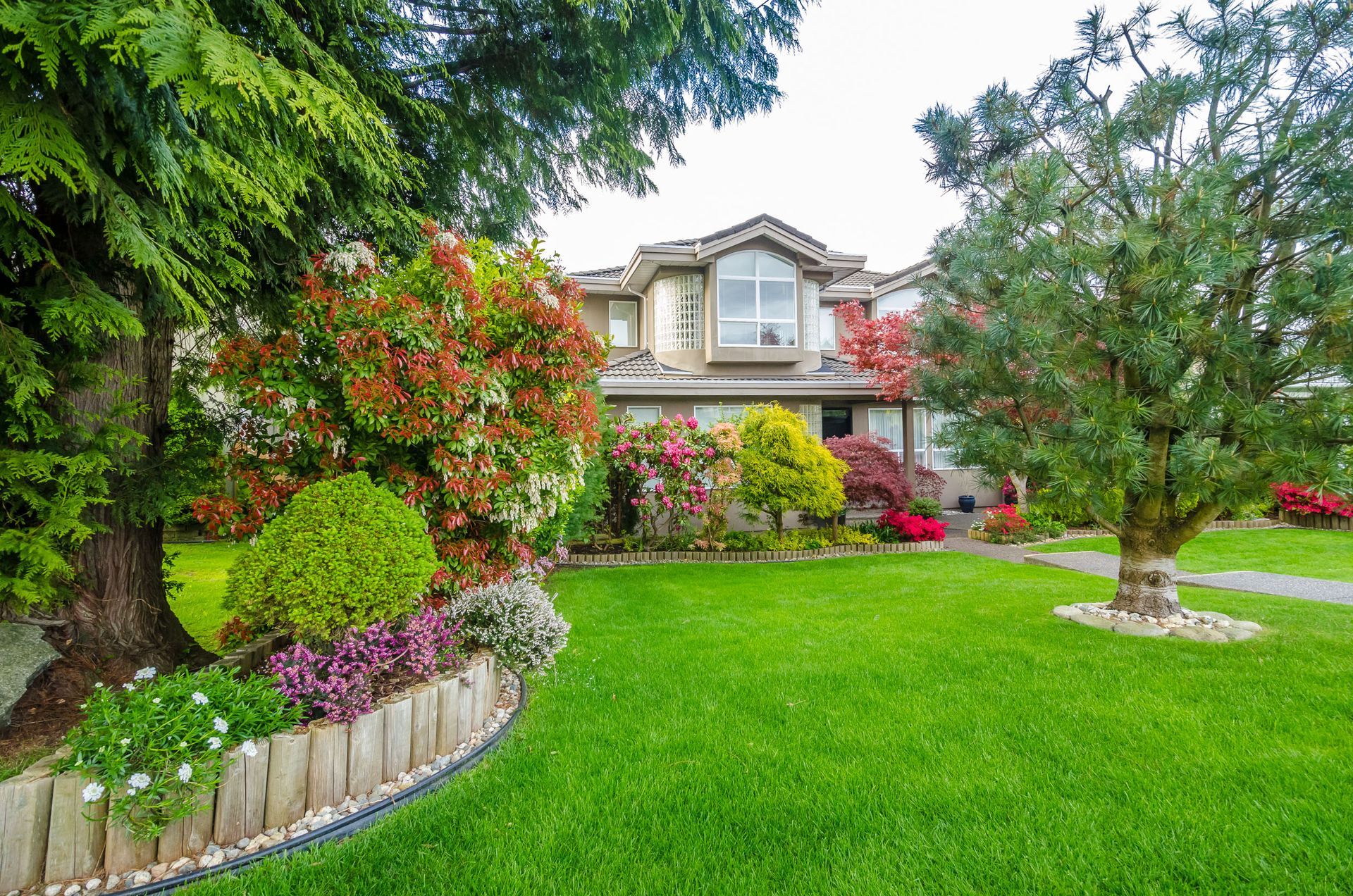
Healthy trees contribute significantly to a property’s overall appearance and curb appeal. Overgrown branches, uneven canopies, and neglected growth can make landscaping look unkempt. Improper cutting techniques may also leave trees looking unnatural or damaged.
Professional trimming focuses on preserving the tree’s natural shape while improving overall health and appearance. Skilled tree trimmers understand how different tree species respond to pruning and which techniques work best for each situation. Proper maintenance helps trees remain attractive while continuing to grow safely and evenly.
Extending the Lifespan of Mature Trees
Mature trees often provide significant shade, beauty, and environmental benefits, but they may become more vulnerable to stress and disease as they age. Without proper maintenance, older trees can develop structural weaknesses, deadwood accumulation, or declining canopy health. Routine care becomes increasingly important as trees mature.
Ongoing maintenance performed by experienced tree trimmers helps aging trees remain healthier for longer periods. Removing damaged limbs, monitoring structural stability, and managing canopy growth all contribute to improved longevity. With proper care, mature trees can continue enhancing the property for many years.
Promoting Better Sunlight Exposure
Sunlight plays a major role in the health and growth of trees, but overcrowded branches can prevent light from reaching important sections of the canopy. Limited sunlight exposure may slow growth, weaken lower limbs, and create damp conditions that encourage disease development. Trees surrounded by dense overgrowth can also struggle to maintain balanced development throughout the canopy.
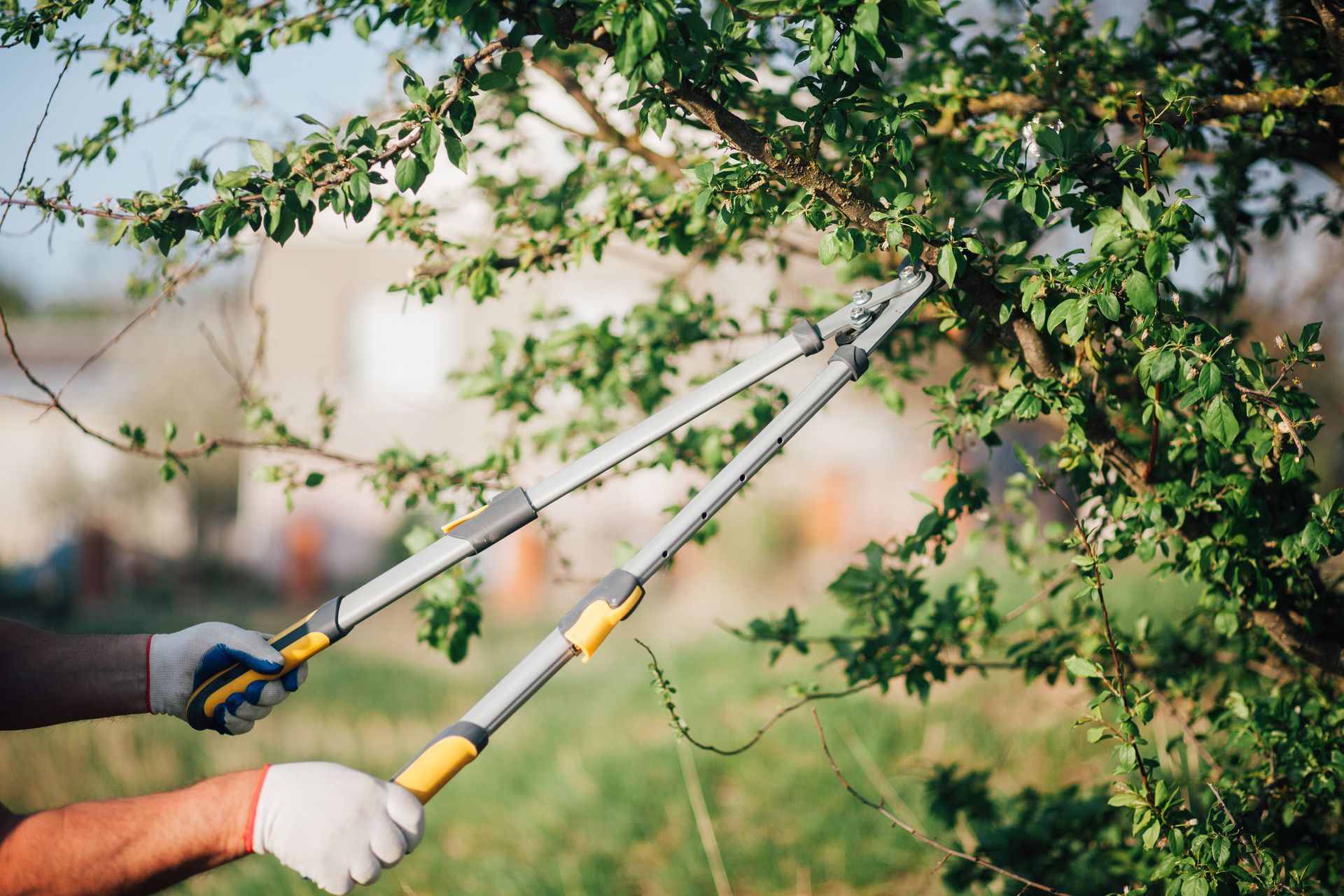
Selective pruning helps open the canopy and improve light penetration across the tree. Rather than removing large amounts of healthy growth, experienced tree trimmers carefully thin overcrowded areas to create better balance and healthier growing conditions. Improved sunlight exposure can support stronger foliage, healthier branch development, and more consistent growth over time.
Healthy trees require more than occasional cutting or seasonal cleanup. Proper trimming helps improve structural strength, encourages healthy growth, reduces safety risks, and protects the long-term condition of your landscape. At Keelen Bros Inc, our team provides professional tree care services designed to help your trees remain strong, healthy, and visually appealing throughout every stage of growth. Contact us today to schedule an evaluation and learn how proper tree maintenance can benefit your property.