November 27, 2026
Planning a major yard project often leaves homeowners wondering how long professional crews will occupy their property during hazardous extractions. Knowing what happens from the initial phone call to the final wood chip sweep eliminates stress and helps you coordinate schedules smoothly. While every landscape presents unique variables, certified arborists follow a structured sequence of steps designed to maximize safety and efficiency. Understanding how each phase contributes to the overall schedule ensures realistic expectations, smooth property preparation, and complete peace of mind throughout the entire tree removal experience.
Scheduling the Initial Consultation and Site Inspection
Your timeline officially begins when you contact a local arborist to evaluate the specimen in question and discuss your property goals. Most reputable companies schedule an on-site visit within two to five business days, depending on seasonal demand and recent storm activity. During this thirty-minute walkthrough, an estimator assesses trunk diameter, structural decay, root stability, and proximity to delicate structures or overhead utility lines. Once the evaluation concludes, you typically receive a written quote within twenty-four hours, allowing you to compare estimates and approve the contract before moving toward actual scheduling.
Securing Municipal Permits and Utility Clearances
Before any saws start buzzing, legal and safety clearances must be satisfied to prevent hefty fines or dangerous accidents. Certain municipalities require formal permits for removing heritage species, protected native trees, or specimens exceeding specific trunk circumference thresholds. Obtaining local government approval can add anywhere from three days to several weeks to your overall waiting period. Additionally, if underground roots intertwine with buried gas, water, or electrical lines, your chosen tree service must contact utility locators several days in advance to mark subterranean infrastructure safely before heavy machinery arrives on site.
Waiting for Your Scheduled Removal Date
Once paperwork clears and deposits are processed, your project enters the company's active dispatch queue. During quiet winter months, crews might arrive at your doorstep within a week of contract signing. Conversely, peak spring growth or post-hurricane recovery periods can stretch wait times out to three or four weeks. Weather forecasts also play a decisive role, as high winds, lightning, or torrential rain force companies to postpone aerial climbing for crew safety. Maintaining flexible communication with the office dispatcher ensures you receive prompt updates if inclement weather shifts your assigned date.
Preparing Your Property Before the Crew Arrives
The morning before your scheduled appointment requires roughly thirty to sixty minutes of straightforward homeowner preparation to keep the crew moving briskly. Moving vehicles out of the driveway guarantees heavy bucket trucks and wood chippers have unobstructed access to the work zone. Clearing away patio furniture, potted plants, garden hoses, and children's toys prevents accidental damage from falling branches. Securing pets indoors eliminates stress from loud machinery and keeps gates safely closed. Taking these simple precautions beforehand shaves valuable minutes off setup time, allowing specialists to begin rigging immediately upon arrival.
Setting Up Safety Zones and Rigging Equipment
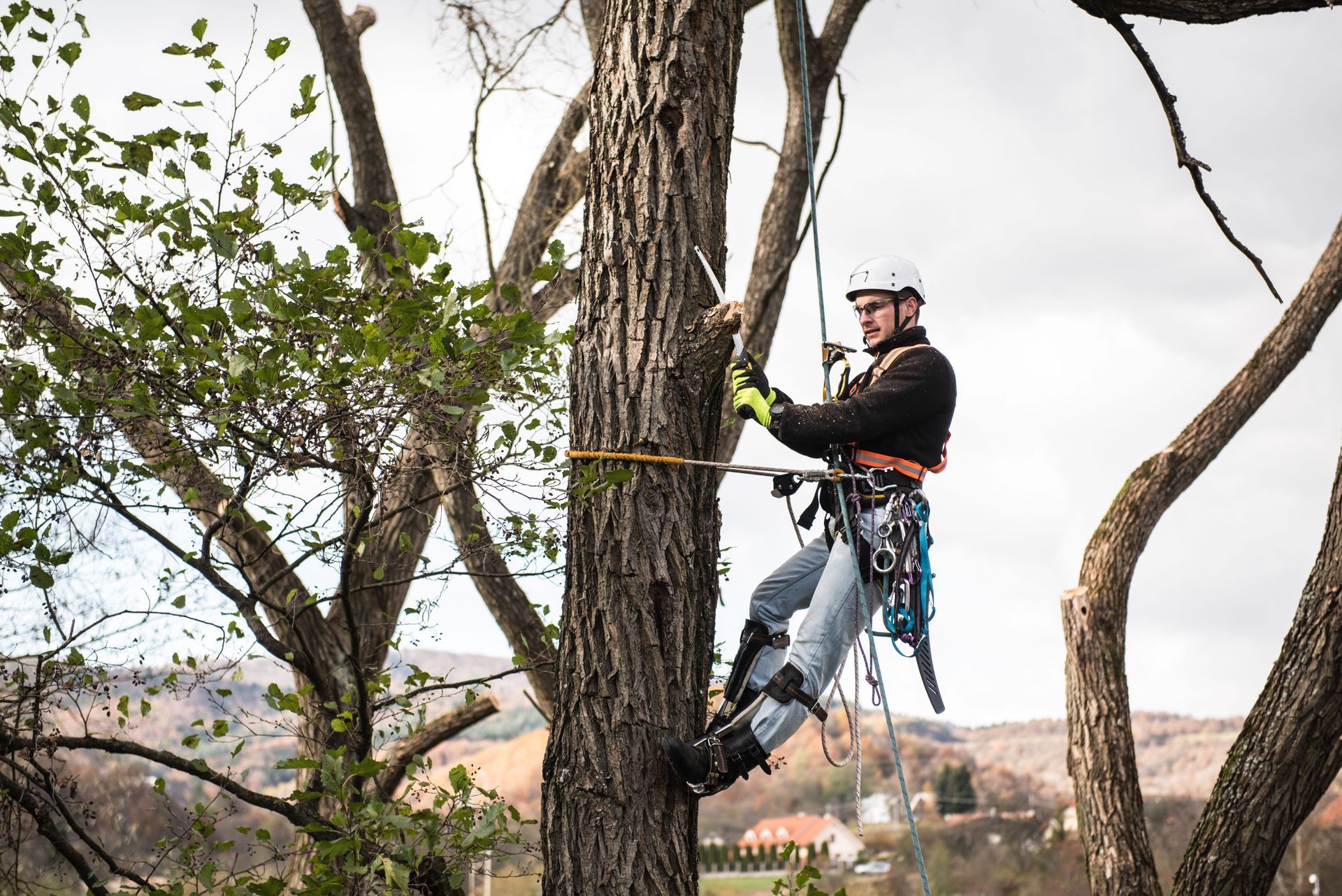
When the crew pulls up to your curb, they spend the first thirty to forty-five minutes establishing a secure perimeter around the drop zone. Workers lay down heavy-duty protective mats across manicured lawns to prevent deep tire ruts from heavy equipment. Climbers inspect harnesses, ropes, and pulleys while ground personnel position the wood chipper for optimal feeding efficiency. If tight quarters require specialized cranes or aerial lifts, stabilizing outriggers takes extra care and precision. This methodical setup phase ensures every subsequent cut occurs under strict mechanical control without endangering surrounding roofs or fences.
Cutting Down Limbs and Felling the Trunk
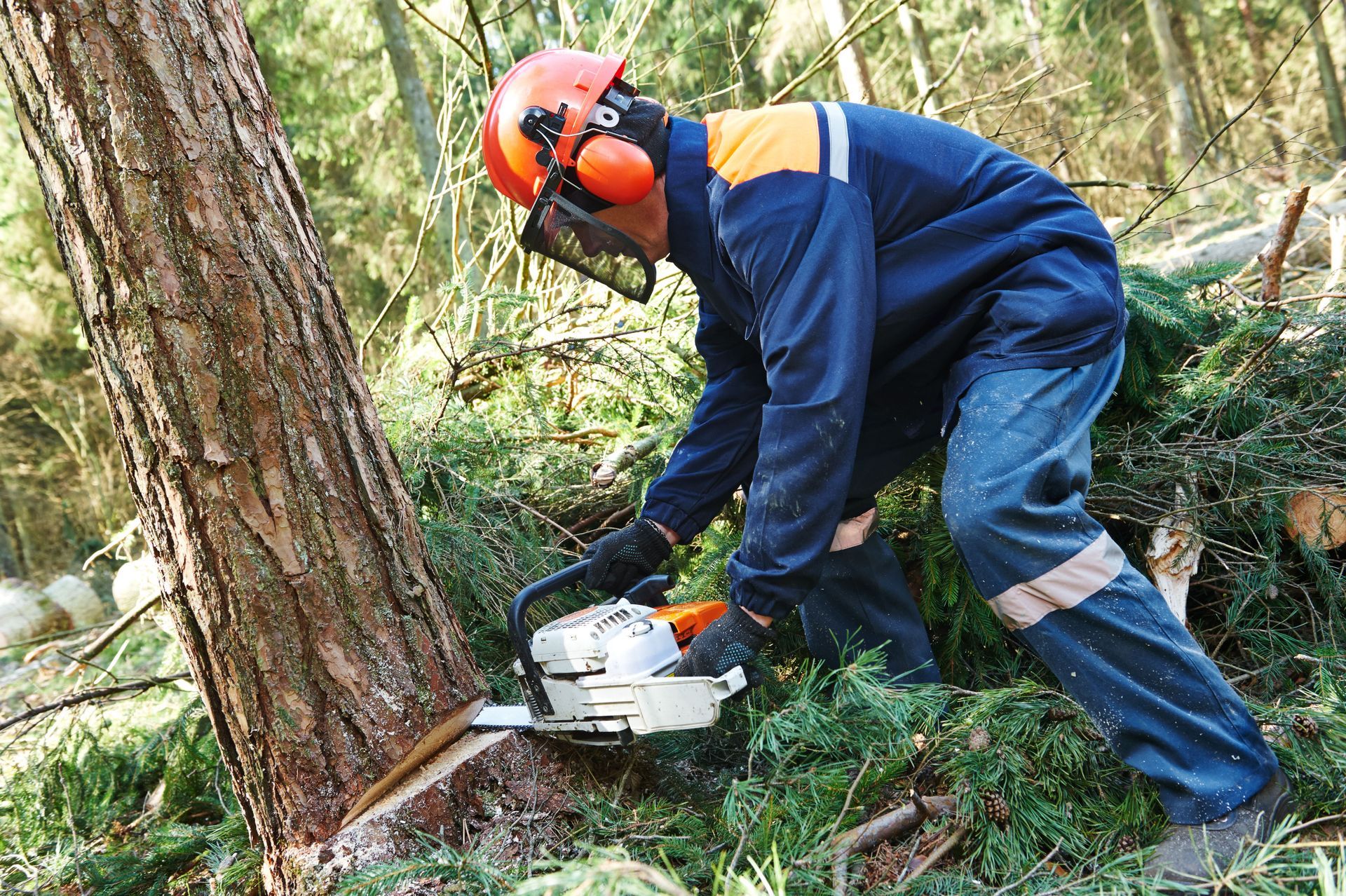
Actual cutting duration varies wildly based on height, canopy density, and nearby obstacles. According to This Old House, depending on the size and type of tree, tree removal can take as little as 15 minutes or as long as a few hours. Open-yard specimens sometimes allow single directional felling cuts, whereas cramped suburban lots demand piece-by-piece dismantling using intricate rigging systems. Experienced climbers work systematically from top branches downward before bucking the main trunk into manageable logs, ensuring every heavy section descends safely to the waiting ground crew.
Processing Brush and Hauling Away Wood Debris
Once the main structure rests safely on the ground, ground technicians dedicate one to two hours to transforming chaotic brush into neat piles. Smaller limbs feed directly into industrial chippers, instantly converting bulky canopies into uniform mulch inside dump trucks. Heavy trunk sections require compact loaders or log trucks to lift and transport dense timber off your turf. An efficient tree service coordinates this cleanup seamlessly alongside cutting operations, preventing debris bottlenecks and keeping your yard organized as the vertical structure steadily disappears throughout the afternoon.
Grinding the Stump Below Ground Level
Many homeowners opt to include stump grinding in their contract, which typically adds thirty minutes to two hours depending on root flare width. Often performed by a separate specialized technician either later that afternoon or within a few days, this step utilizes a high-speed cutting wheel to pulverize remaining wood six to twelve inches below soil grade. Dense hardwoods like oak or maple naturally require more passes than softer pines. Once grinding finishes, the operator rakes wood shavings neatly into the cavity, leaving a level surface ready for fresh topsoil.
Performing the Final Walkthrough and Yard Cleanup
Before packing up cones and retracting outriggers, the crew leader spends roughly twenty minutes conducting a thorough final inspection and cleanup. Ground workers use commercial leaf blowers and rakes to clear sawdust, stray twigs, and wood chips from driveways, walkways, and flowerbeds. Your dedicated tree service foreman then invites you outside to inspect the cleared space, verify that no collateral property damage occurred, and confirm complete satisfaction with the work. Completing this brief walkthrough officially closes out your project timeline, leaving your landscape clean, safe, and ready for future outdoor plans.
Factoring in Emergency Storm Removal Timelines
Severe weather events completely upend standard scheduling protocols when uprooted trunks crash onto rooftops or block driveways. In urgent scenarios, an emergency tree service prioritizes rapid response, often dispatching triage crews within two to six hours of your distress call. However, tangled power lines require utility company technicians to de-energize wires before arborists can safely approach the wreckage. While initial hazard stabilization happens quickly, full debris extraction and stump grinding during widespread storm recovery may stretch across several days as companies balance critical rescues with routine neighborhood cleanups.
Navigating Seasonal Variations in Crew Availability
Calendar timing dramatically influences how fast your project progresses from initial phone inquiry to final cleanup. Late autumn and winter frequently offer the shortest wait times, because dormant foliage makes branch structures easier to see and frozen ground supports heavy trucks without turf damage. Conversely, hiring a tree service during lush summer months often involves longer scheduling queues due to peak landscaping demand and dense, heavy canopies. Planning non-urgent removals during off-peak winter windows frequently yields faster turnaround times and smoother overall scheduling for proactive homeowners.
Understanding every stage of the removal process transforms an intimidating yard project into a predictable, well-coordinated event. From initial permitting and safety setup to precision dismantling and stump grinding, each phase serves a vital purpose in protecting your property. Partnering with an experienced tree service ensures realistic scheduling estimates, clear communication, and efficient execution regardless of specimen size or yard complexity. By preparing your space early and accounting for seasonal demand, you can navigate the entire timeline smoothly and enjoy a safer, cleaner, and more open outdoor landscape.
Are you seeking a professional tree service in Pittsburgh, PA, and the surrounding areas? Look no further than the tree experts at Keelen Bros Inc! We provide tree trimming, removal, emergency services, and much more! Contact us today to schedule an appointment.